

 See My Latest Article on HelloNation
What Counts as a Slip and Fall Accident?
A slip and fall accident occurs when someone is injured from slipping, tripping, or losing balance due to unsafe conditions on someone else’s property. These incidents happen in homes, public areas, businesses, and outdoor spaces.
For many residents, a slip can be caused by wet floors after a heavy rain, debris from yard work on walkways, or loose stair railings. Slip and fall claims generally focus on whether the situation could have been prevented by reasonable maintenance or warning.
Who Is Responsible for a Slip and Fall Injury?
Property owners are generally responsible if someone is hurt on their property because of a preventable hazard. However, responsibility depends on legal standards unique to each situation.
The law looks at whether:
- The owner or occupant created the condition, or knew (or should have known) about it.
- The hazard was visible and obvious, or hidden and hard to notice.
- The injured person had legal access to the area (such as being a guest rather than trespassing).
A homeowner who leaves a hose stretched across a walkway, for example, would likely be expected to remove it or warn visitors. If the victim ignored posted warning signs, fault may be shared.
What Steps Should I Take After a Slip and Fall in Hampstead, NC?
Immediately after a fall, it’s best to:
- Check for injuries and seek medical help if needed—this not only protects health but also documents the injury.
- Report the accident to whoever owns or manages the property.
- Take photos of the location, the hazard (like spilled water or uneven pavement), and any injuries.
- Collect names and statements of witnesses when possible.
Medical records, accident reports, and photos can be very important later, particularly if insurance or legal claims are considered.
What Types of Conditions Commonly Cause Slip and Falls in This Area?
In Hampstead, conditions leading to falls often reflect local climate and the mix of homes, businesses, and outdoor sites, including:
- Wet floors or puddles near entrances after rainstorms.
- Slippery porch steps in high humidity or from pine needles.
- Loose gravel in driveways or parking lots.
- Uneven or cracked sidewalks, especially after seasonal freezes and thaws.
- Mud tracked inside from frequent outdoor activities.
Even in private homes, cluttered walkways or poorly lit stairs can contribute to these accidents.
What If the Property Owner Says I Was at Fault?
Fault in slip and fall incidents is often shared, sometimes called “contributory negligence.” If you were distracted by your phone, wearing unsafe shoes, or ignored warning cones, you may be considered partially responsible.
However, even if the person injured could have been more cautious, a property owner still has legal responsibilities:
- Warning about known dangers.
- Fixing hazards within a reasonable time.
- Following local maintenance codes and ordinances.
North Carolina has strict contributory negligence laws, so even minor fault on the part of the person who fell can affect their ability to recover damages.
Do Slip and Fall Injuries Always Mean Broken Bones?
Slip and fall accidents can cause a range of injuries, from minor scrapes to major fractures or head trauma. Broken wrists, hips, and ankles are common—especially among older adults—but not every fall results in these.
It’s very possible to have:
- Sprains or soft-tissue injuries.
- Cuts and bruises.
- Back or neck pain that surfaces hours later.
- Concussions or less obvious head injuries.
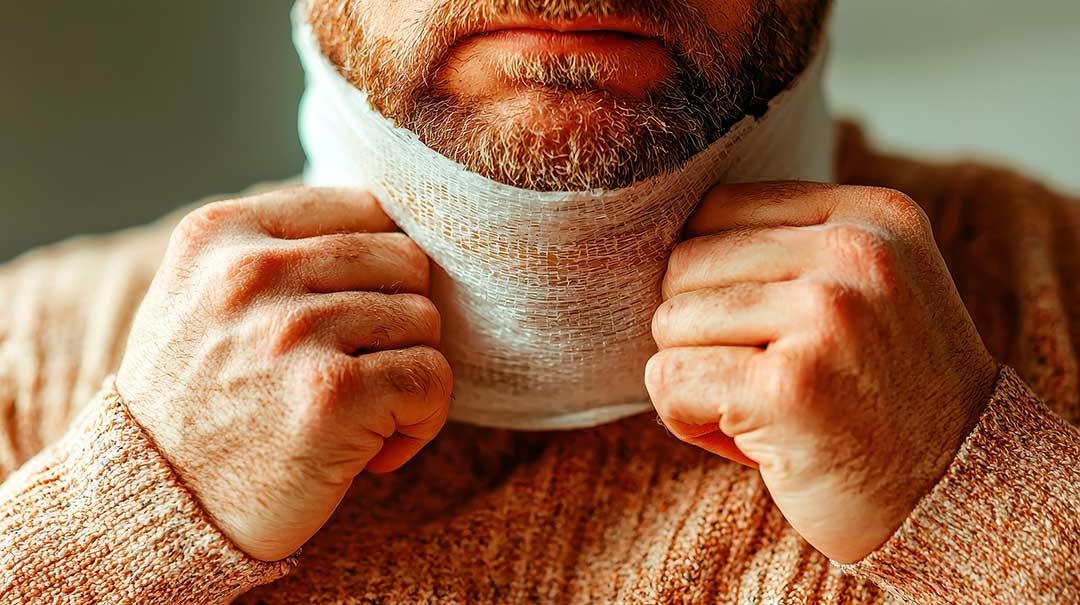
Getting medical attention quickly, even for what seems minor, helps rule out hidden injuries.
How Long Do I Have to Take Action After a Slip and Fall?
In North Carolina, residents generally have three years from the date of the accident to file a claim related to a slip and fall injury. This is known as the “statute of limitations.”
There are exceptions, particularly involving government-owned properties or injuries to children, where other deadlines might apply. Gathering clear documentation soon after the accident helps avoid problems if action is needed later.
Does Homeowners’ or Renters’ Insurance Cover Slip and Fall Injuries?
Many homeowners’ and renters’ insurance policies cover injuries caused by slip and fall incidents on the property, up to certain limits. Coverage typically includes:
- Medical payments to others, no matter who is at fault.
- Liability protection if you are found responsible for someone’s injury.
If the fall occurs in a public place, such as a city park or community center, local government insurance may apply—procedures for these cases can be different and may require special notice.
Are There Misconceptions About Slip and Fall Cases Locally?
A frequent misconception is that every fall is the property owner’s fault, or that minor accidents can always result in large settlements. But fault often depends on whether reasonable safety steps were taken and if the risk was obvious.
It is also incorrect to assume that weather alone excuses poor property maintenance. Residents are still expected to clear walkways after storms and fix known hazards—even when conditions are challenging.
How Can Local Residents Help Prevent Future Accidents?
While not every slip and fall can be avoided, many are preventable with proactive steps, such as:
- Clearing porches and outdoor steps of leaves and debris, especially after storms.
- Placing mats to dry shoes at entryways.
- Using lighting on walkways and stairs.
- Encouraging conversations with neighbors or landlords about fixing potential hazards in shared areas.
By staying aware of common risks throughout the changing seasons, residents help keep their homes and public spaces safer for everyone.